Responsible Fisheries Management
Maintain and increase access to recreational boating and fishing


Rebalance regulations to account for the socio-economic impact of boating and fishing industries.
Any regulation or rule affecting access to recreational fisheries must consider the full scope of potential economic impacts of all affected industries and stakeholders. Improve socio-economic data collection and include boat and sportfishing equipment manufacturing and sales, such as tackle shops, boat dealers and repair shops, marinas and other shore-side support businesses.
Pass the Whale CHARTS Act to continue partnering with marine manufacturers and invest in new technology
In 2024, the Vessel Strike Avoidance Fund was established to accelerate the technologies outlined above, yet it requires consistent authority and reliable funding to succeed. This bill would ensure that NOAA continues its partnership with industry and prioritizes supporting and expanding this fund to ensure practical, outcome-driven solutions are implemented on a scale.
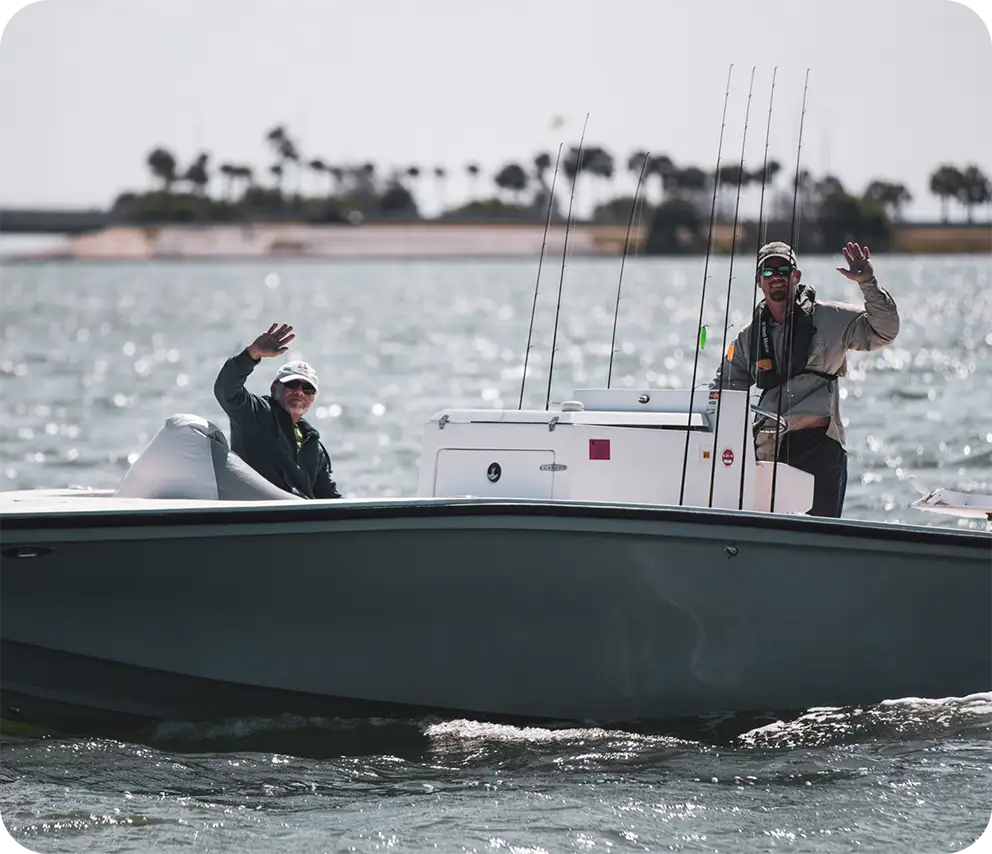
Modernize fisheries management, science and data accuracy to ensure healthy fisheries and abundant access
Policymakers and NOAA should adopt a clear pathway by which states, or regional compacts, can assume more management authority over recreational fisheries. For example, policy makers should: Support state-level data systems so that state-derived metrics can be relied on for federal-level science and stock assessments; Promote pilot programs in additional regions to assess state-led management for species, building upon the success of Red Snapper projects; and require interoperability and data-sharing standards so state and federal datasets can be integrated for assessment, enforcement and transparency.
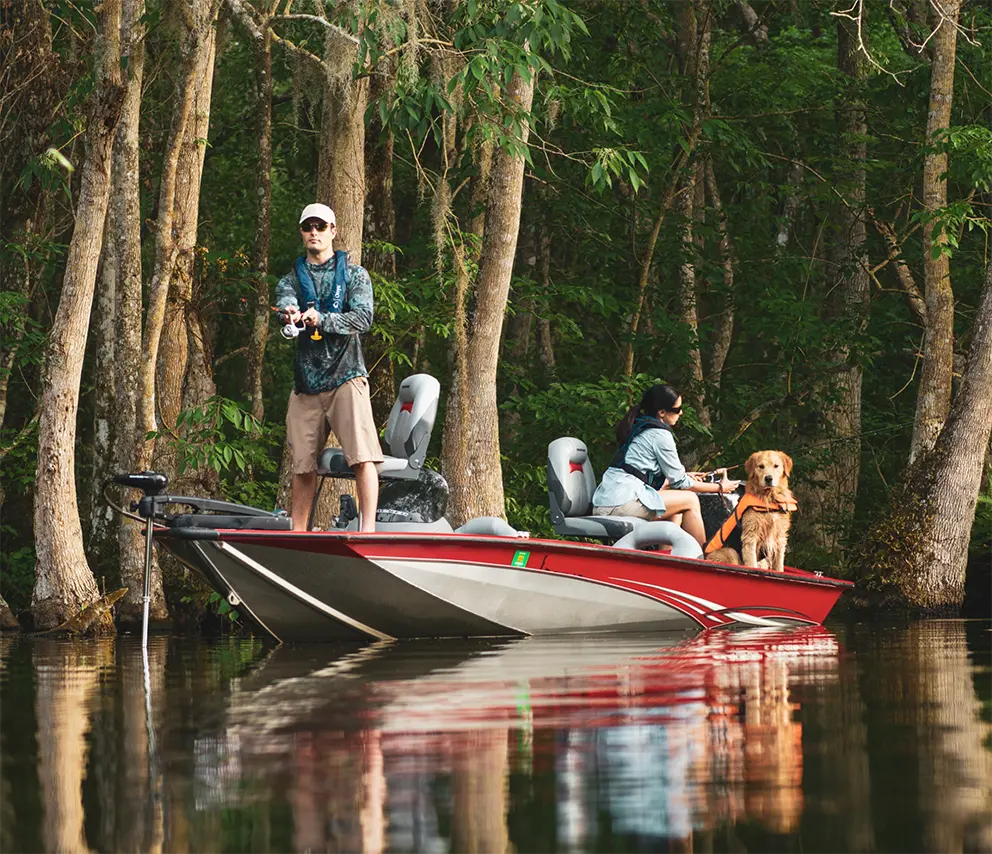
Build upon the Modern Fish Act’s encouragement of alternatives to federal fisheries management approaches, including allowing flexible management and accounting for variability and uncertainty.
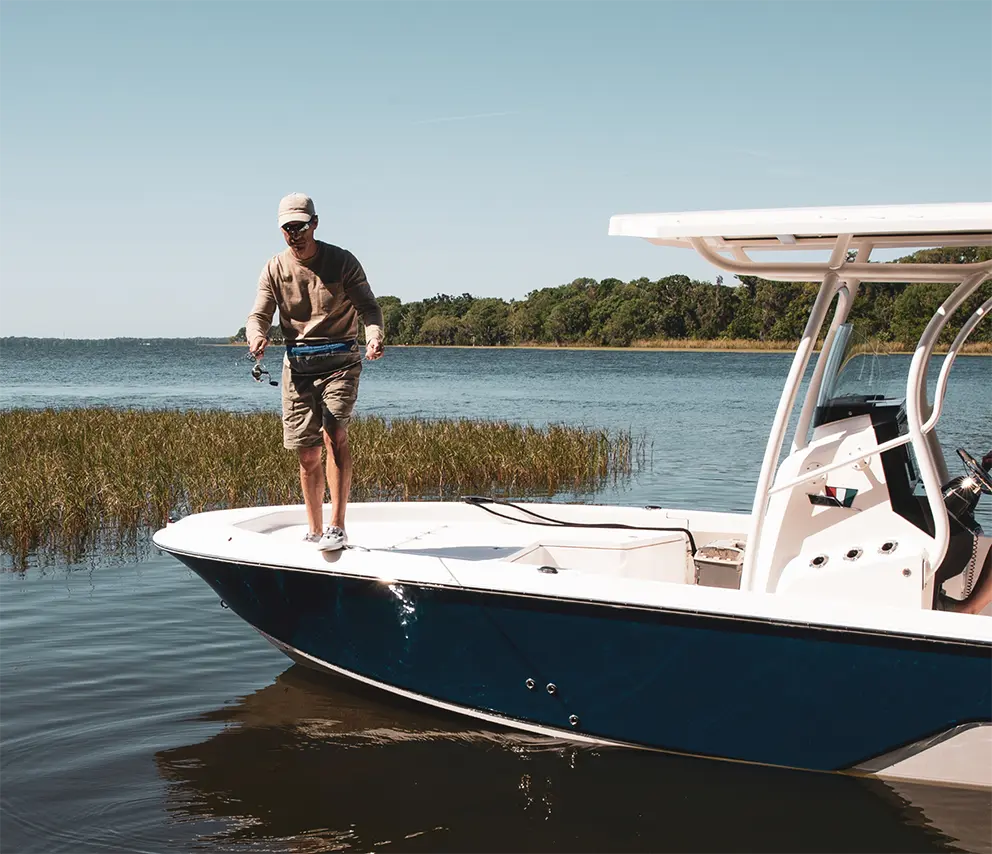
Invest and encourage citizen science, such as more collaborative, cost-effective projects involving recreational anglers to help with surveys and data collection that leverages existing vessels and expertise.

Change NOAA’s tag and permit fee policies so that fees are provided to the Region where collected, which would allow for dedicated revenues to support local fishery and data improvement projects.
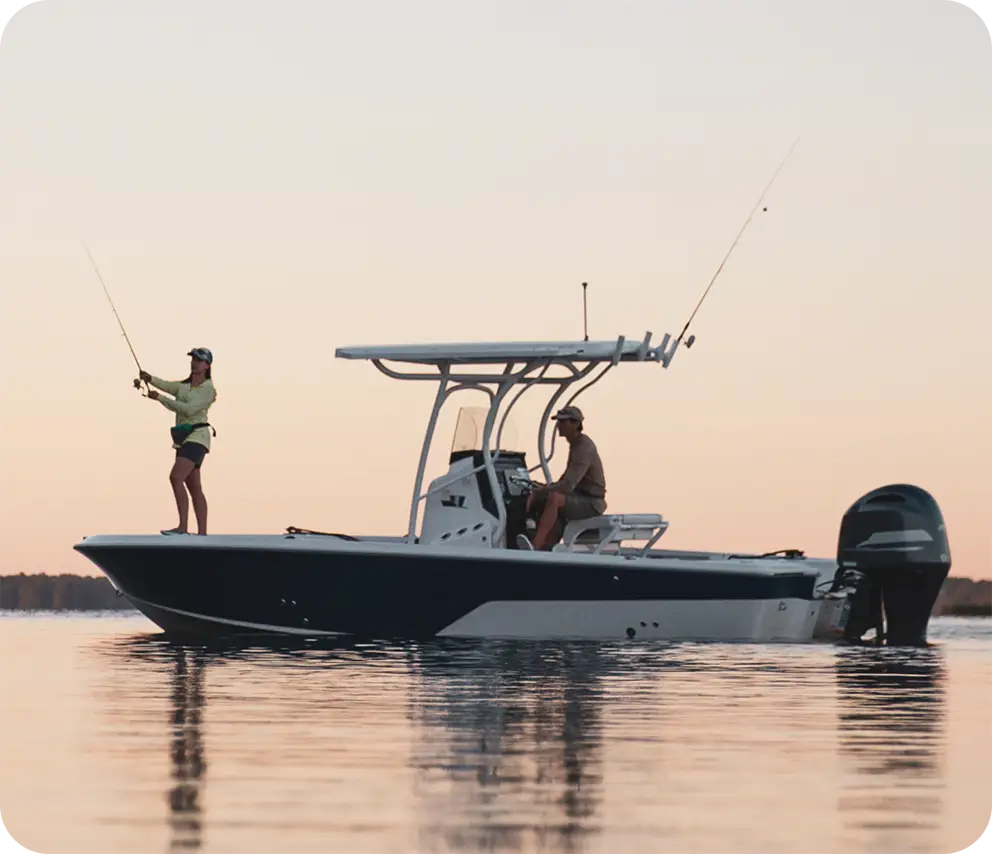
Pass the SHARKED Act to help reduce depredation
Congress should pass the SHARKED Act (H.R.207/S.2314) to establish a task force that improves coordination and communication across federal fisheries community on shark depredation and identify opportunities to limit degradation throughout the country.